
Quick answer: AstroAI sells the end of a ritual — one tool, one reading, no swapping between chuck and gauge — and the pool verifies the numbers like engineers. The digital tire pressure gauge ($23.99, 16,091 ratings) is October’s top earner here ($4.79): cross-checked within half a PSI against two other gauges, backlit with a flashlight, trusted enough that a semi driver bought a second for his pickup. The tire inflator gauge ($23.99, 34,794 ratings) is October’s $4.74: clamp, fill, release, read instantly — with the leaky included chuck and one unit’s consistent 2.5-3.0 PSI offset quoted straight. The upgraded listing ($18.99) is the same machine $5 cheaper, sharing the inflator’s entire 34,794-rating pool — disclosed once, counted once. Buy the reading, not the ritual.
The three-gauge lineup
The US feed runs 77 listings across gauges, inflators, compressors and thermometers. These three are October’s two earners plus the shared-pool price play.
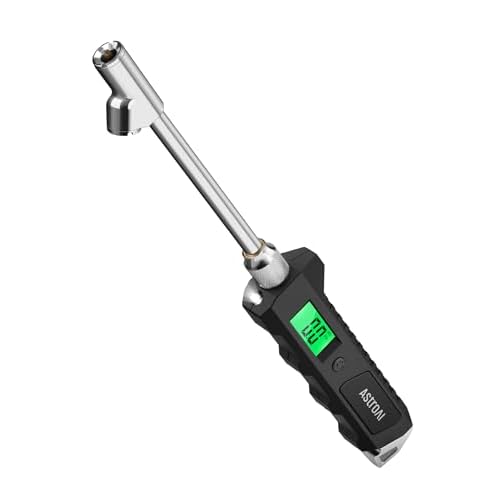
AstroAI Digital Tire Pressure Gauge
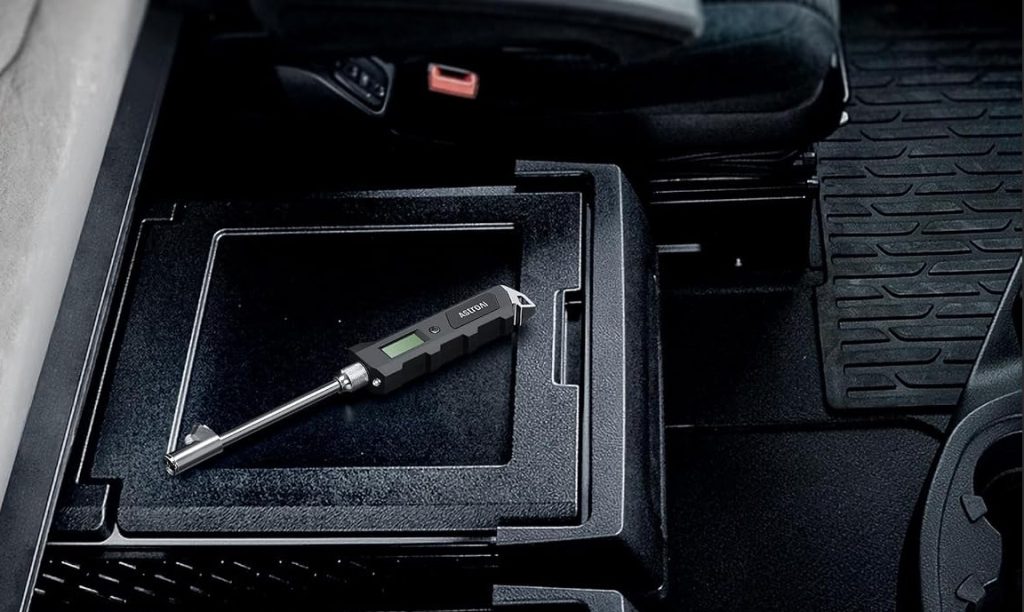
The dedicated gauge: 4.6 over 16,091 ratings, $6 off — and October’s top commission here ($4.79). The pool’s accuracy work is unusually rigorous for a $24 tool: one owner cross-checked it against two other digital gauges and found agreement within plus-or-minus half a PSI; another measured each tire multiple times on first use to confirm reliability, and the readings repeated. The design details the pool names: a backlit LCD with a built-in flashlight for low-light valve stems, and a ridge at the top for thumb placement — grip with an unobstructed readout. The length matters too: no more crouching after the cap comes off. The scale of trust: a semi-truck driver bought one, found it very accurate, and bought a second for his pickup.
- ±0.5 PSI cross-checked — against two digital gauges, documented
- backlit LCD + flashlight — the low-light valve-stem kit
- thumb ridge, long body — no crouching, no blocked readout
- semi-truck trust — bought one, then a second for the pickup

AstroAI Tire Inflator Gauge
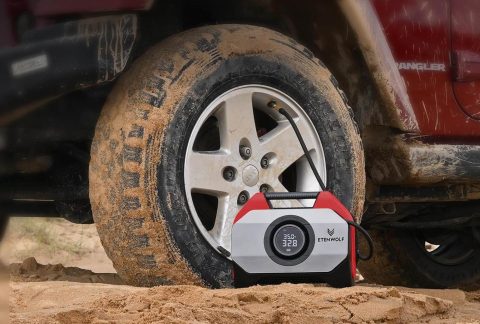
The combination tool: 4.6 over 34,794 ratings, $8 off — October’s $4.49-tier earner at $4.74. The workflow it replaces: no more switching between a separate tire chuck and a separate pressure gauge, trying to dial in pressure while air escapes — clamp on, apply air, release the trigger, and the gauge gives an instant reading without coming off the stem. The loyalty case: an RV owner who accidentally left one in a motorhome she sold, then bought another for the next motorhome. The honest floors, quoted below: the included chuck is the documented weak point — picky about seal fit, prone to leaking, with instructions that admit it and offer partial workarounds — and one careful owner’s long-term note found his unit reading a consistent 2.5-3.0 PSI high across every vehicle he owned.
- one-tool top-off — clamp, fill, release, read — no swapping
- instant reading on release — gauge on the trigger hand, always live
- chuck is the weak point — leaks, picky seal — owners swap it, documented
- 2.5-3.0 PSI high (1 report) — consistent offset, quoted straight — calibrate yours

AstroAI Inflator Gauge (upgraded listing)
Disclosure first: this listing and the inflator gauge above are the same product family, and their Amazon review pools are identical — same reviews, same 4.6-over-34,794 history. We count that evidence once and never double it. Why it earns a card: it’s $5 cheaper at $18.99 with the same family hardware, and cross-listing shoppers land on both — so the honest structure is one evidence base, clearly labeled. Everything the pool documents applies here: the one-tool ritual, the motorcycle-rim compatibility, the instant gauge, and the same floors — the leaky chuck to swap, the right-handed design, the pinch warning for the trigger finger. Pick whichever listing is cheaper on your day; the shared 34,794-rating pool backs either identically.
- identical review pool — same 4.6/34,794 evidence — counted once, never twice
- $5 cheaper, same family — price is the only real delta
- same ritual, same floors — chuck swap, right-hand design, finger pinch
- motorcycle-rim compatible — the BMW-rim case applies family-wide
Which AstroAI, which garage
A dedicated gauge or a one-tool inflator — the compressor you own decides the ritual.
The glovebox check — Digital Gauge ($23.99)
±0.5 PSI cross-checked, backlit, flashlight: October’s $4.79. The monthly cold-morning habit tool.
The compressor garage — Inflator Gauge ($23.99)
Clamp, fill, release, read: October’s $4.74. Budget a better chuck on day one and calibrate against your TPMS.
The price shopper — Upgraded Listing ($18.99)
Same family, same 34,794-rating pool, $5 less: pick the cheaper listing of the same evidence.
Side by side
Prices, ratings and rating counts from the brand’s affiliate feed at time of writing.
| Digital Gauge | Inflator Gauge | Upgraded Listing | |
|---|---|---|---|
| Price | $23.99 (list $29.99) | $23.99 (list $32.29) | $18.99 (list $23.00) |
| Rating history | 4.6 · 16,091 | 4.6 · 34,794 | 4.6 · 34,794 (shared pool) |
| Needs a compressor | No | Yes | Yes |
| Documented accuracy | ±0.5 PSI cross-checked | 2.5-3.0 PSI high (1 report) | Same family floor |
| Known weakness | — | Leaky chuck, right-handed | Identical |
| October conversions | $4.79 | $4.74 | — |
Not the right pick if… you won’t calibrate a budget gauge. The pool’s most useful long-term note: one unit read a consistent 2.5-3.0 PSI high across every vehicle its owner filled — the offset was discoverable through his TPMS and correctable in the head, but it’s a remember-the-tax burden across a 16,PSI hand truck and a 55-PSI truck. Cross-check against your dash’s TPMS once, then trust or adjust.
Not the right pick if… you’d run the included chuck forever. Two four-stars, independently: the chuck tends to leak and lacks tension to stay on — one calls it garbage outright, the other swapped it for the chuck from his old inflator — and the unit’s own instructions admit the problem and offer partial workarounds. The gauge half is the value; the chuck half is a starter part.
Not the right pick if… you’re left-handed. The documented ergonomics: the inflator is right-handed, the gauge doesn’t swivel, and the pressure release would be hard to use left-handed — plus one owner’s warning to keep your index finger off the handle when pulling the trigger, or it gets pinched. Small tools, real handedness.
Not the right pick if… you expected the two inflator listings to be different evidence. Their review pools are identical — the same 4.6-over-34,794 reviews, word for word. The cheaper listing buys the same machine; it does not buy a second opinion. Count the pool once, buy the price.
What verified buyers say
Six verified Amazon reviews, paraphrased and attributed — the two-gauge cross-checker, the semi-truck two-time buyer, the repeatability tester, the motorhome repeat buyer, the chuck-swap fixer, and the long-term calibrator who found the offset.
The accuracy review. He defines the perfect tire pressure gauge first: accurate, convenient, reliable, decent price. After three months of use: he has no calibrated professional gauge to hand, but this one displays values that coincide — less than plus-or-minus 0.5 PSI — with the two digital gauges he owns, the JACO SmartPro’s built-in gauge and an older trusted one. The comparison method most reviewers skip, done properly.
The fleet review. I bought it for my semi, works great, very accurate. So I bought another one for my pickup. Six words of trust from someone whose livelihood rides on tire pressure — the purchase sequence is the review.
The ergonomics review. Great pressure gauge — fits comfortably in the hand with a ridge at the top that really helps thumb placement: thumb on top for grip and an unobstructed readout. Numbers easy to read, and consistent: he measured each tire multiple times the first time he used it, to confirm the readings were reliable. They were. He only uses PSI so can’t speak to the other units.
The loyalty review. They bought this many years ago and accidentally left it in the motorhome when they sold it. When the next motorhome arrived, she went out and bought this air gauge again. Super easy to use while filling the RV’s tires with her compressor — so nice not having to disconnect the compressor to check the pressure in the tires. The repeat purchase after an accidental donation: the strongest endorsement in the pool.
The honest four-star. The inflator makes topping off much easier: clamp on, apply air, release, instant reading — no more switching between chuck and gauge to dial in pressure. One star docked because the included chuck is garbage, as other reviews note: clamped on the stem it tends to leak, sometimes a lot, the seal picky about exactly the right fit. Amusingly, the instructions address the shortcoming with tips that kinda sorta work. He replaced the chuck with one from his old unit — problem solved.
The calibration note, quoted straight from a follow-up. Months after the original review: this gauge consistently reads 2.5-3.0 PSI higher than actual pressure — he couldn’t figure out why the TPMS on two cars and a truck all read high after filling with this gauge, until the pattern held across the board. Once known, you can account for it — but it’s a pain to remember across a 16-PSI hand truck, a 35-PSI car and a 55-PSI truck. You get what you pay for, he concludes; the gauge is still running. The honest floor every budget gauge buyer should read.
Three garages these were made for
The semi and the pickup
Commercial tire pressures, cross-checked accuracy, a second unit bought for the second truck: the fleet habit at gauge money.
The RV and the compressor bench
Motorhome tires filled without disconnecting the compressor to check — a tool so missed it was rebought after the motorhome it lived in was sold.
The cold morning driveway
Backlit readout and a flashlight at the valve stem, no crouching, one press for the number: the monthly two-minute check that actually happens.
FAQ
How accurate are AstroAI gauges?
The pool checked. The digital gauge: one owner cross-verified against two other digital gauges — agreement within ±0.5 PSI; another confirmed repeat readings by measuring each tire multiple times; a third matched it against his pencil gauge at 34.9-35.2 for a 35-PSI tire. The honest exception, quoted straight: one inflator-gauge unit read a consistent 2.5-3.0 PSI high across every vehicle its owner filled — findable via your TPMS, fixable in your head, but a real offset. Cross-check once against the dash, then trust.
Do I need the inflator version or the plain gauge?
Match your air source. No compressor or relying on gas-station air: the plain digital gauge ($23.99), which works anywhere and doubles as the check tool. Compressor owner: the inflator gauge ($23.99) replaces the two-tool dance — clamp on, fill, release the trigger, read instantly without coming off the stem. The motorhome owner’s testimonial is the whole case: no disconnecting the compressor to check the pressure.
What's the chuck problem everyone mentions?
The included chuck on the inflator is the documented weak point. It’s picky about seal fit and tends to leak, sometimes a lot — two separate four-stars say so, and the unit’s own instructions acknowledge it with tips that ‘kinda sorta work.’ The accepted fix, both from the pool: swap it for a chuck from an old inflator or a better replacement part, which turns the tool into the five-star experience the gauge half already delivers.
Will it work on motorcycles and RVs?
Documented yes on both. The BMW-motorcycle-rim owner expected trouble attaching and got none — and is buying another for his shop. The RV case runs deepest: used for years filling motorhome tires from a compressor, accidentally donated with a sold motorhome, and rebought for the next one. Pressure ranges cover passenger cars, trucks, semis and low-pressure gear like hand trucks.
What about ergonomics and night use?
Thought through, per the pool. The digital gauge has a backlit LCD plus a built-in flashlight — the low-light valve-stem kit — and a thumb ridge for grip with an unobstructed readout; its length means no crouching after the cap comes off. The inflator’s honest notes: it’s right-handed, the gauge doesn’t swivel, and one owner warns to keep your index finger off the handle when pulling the trigger or it gets pinched.
How was this page put together?
We are an independent review site. Specs and prices come from the brand’s official affiliate feed at the time of writing; ratings are the public Amazon rating history of each parent listing. Review summaries are paraphrased from verified Amazon customer reviews of the products above, four-star and five-star-with-corrections included — every quotation is attributed to the reviewer name shown and the month it was posted. One disclosure: the two inflator-gauge listings share an identical review pool, which we treat as one evidence base. If you buy through our links we may earn a commission; it does not change which reviews we quote or what they say.